
The adrenaline and dopamine loop created by chronic pressure leads to a stress addiction nervous system high performers develop to sustain productivity. This state of constant activation causes the brain to interpret rest as a threat, making it difficult to turn off the mind without specific nervous system regulation techniques.
You know the precise moment when the laptop closes and the silence begins, yet instead of relief, your nervous system responds with a sharp, internal vibration. For the high performer, the absence of a crisis often feels less like recovery and more like a threat to your very identity. This phenomenon occurs when your brain becomes habituated to a constant surge of adrenaline and dopamine, effectively mistaking chronic stress for necessary fuel. When your baseline is set to high alert, stillness triggers an alarm that demands you return to a state of hyper productivity. In this exploration, we will dissect the neurochemical loop that keeps you tethered to your to do list. You will learn why standard relaxation techniques often feel agitating and how to transition your nervous system from a state of survival into one of authentic, sustainable capacity.
The Paradox of the High Performing Brain
For many founders and executives, the "always on" state is often mistaken for a badge of honor or a necessary byproduct of ambition. You might find yourself checking messages at midnight or mentally rehearsing a pitch while walking through a forest, unable to quiet the background hum of impending deadlines. This relentless drive is frequently framed as a matter of willpower, but it is actually a deeply ingrained neurochemical dependency.
This phenomenon, known as the stress addiction nervous system high performers develop, occurs when the brain becomes habituated to a state of constant high alert. It is not a character flaw; it is a physiological response where the body begins to crave the very cortisol and adrenaline that are simultaneously depleting its reserves. While many assume burnout is simply the result of working too many hours, neuroscience suggests a more complex reality.
Burnout is the outcome of a system that has lost the ability to signal safety. Your amygdala remains in a state of hypervigilance, scanning for threats even in silence, because the prefrontal cortex can no longer initiate recovery mode. Achieving true nervous system regulation for entrepreneurs requires acknowledging that your brain is not misbehaving. It is simply trapped in a biological loop it was never given permission to exit.
The Neurochemical Trap: Understanding the Adrenaline and Dopamine Loop

This loop is fueled by a potent synergy between adrenaline and dopamine, two neurochemicals that, when combined, create a state of hyper-focused euphoria. In high-stakes business environments, adrenaline serves as the ignition, providing the metabolic energy needed to navigate complex negotiations or tight deadlines. When the task is completed or the deal is closed, the brain releases a flood of dopamine, the neurochemical responsible for reward and reinforcement. For many, this cycle becomes the only way to experience a sense of accomplishment or even feel "awake."
Over time, the brain undergoes a process of habituation. Much like developing a tolerance to a substance, the neural pathways require increasingly higher doses of these chemicals to achieve the same level of alertness. This is where the stress addiction nervous system high performers struggle with truly takes hold. If the stakes are not high, the brain feels under-stimulated, leading to a state of chronic restlessness. This biological profile mirrors that of extreme athletes; the sensation-seeking brain thrives on the edge of risk because it has become desensitized to lower-level stimuli. Yesterday's major milestone becomes today's mundane baseline, forcing the individual to seek even greater challenges just to feel productive.
When this dopamine-adrenaline loop becomes the baseline, a state of dopamine overload often follows. You may find it nearly impossible to focus on deep work unless a deadline is looming or a crisis is unfolding. Without the pressure of an external threat, the mind wanders or feels foggy. This is not a lack of discipline; it is a physiological inability to engage the prefrontal cortex without the jumpstart of a stress response.
Recognizing this trap is the first step toward reclaiming your cognitive resources. While many attempt to solve this with simple time management, the solution actually lies in high-intensity recalibration. Experiences like a Survival Reset in Mallorca use controlled physical stressors to help the brain exit this loop. Without a deliberate intervention to address nervous system regulation for entrepreneurs, the brain will continue to perceive a lack of chaos as a lack of progress.
Why Calm Feels Like a Threat to Your Nervous System
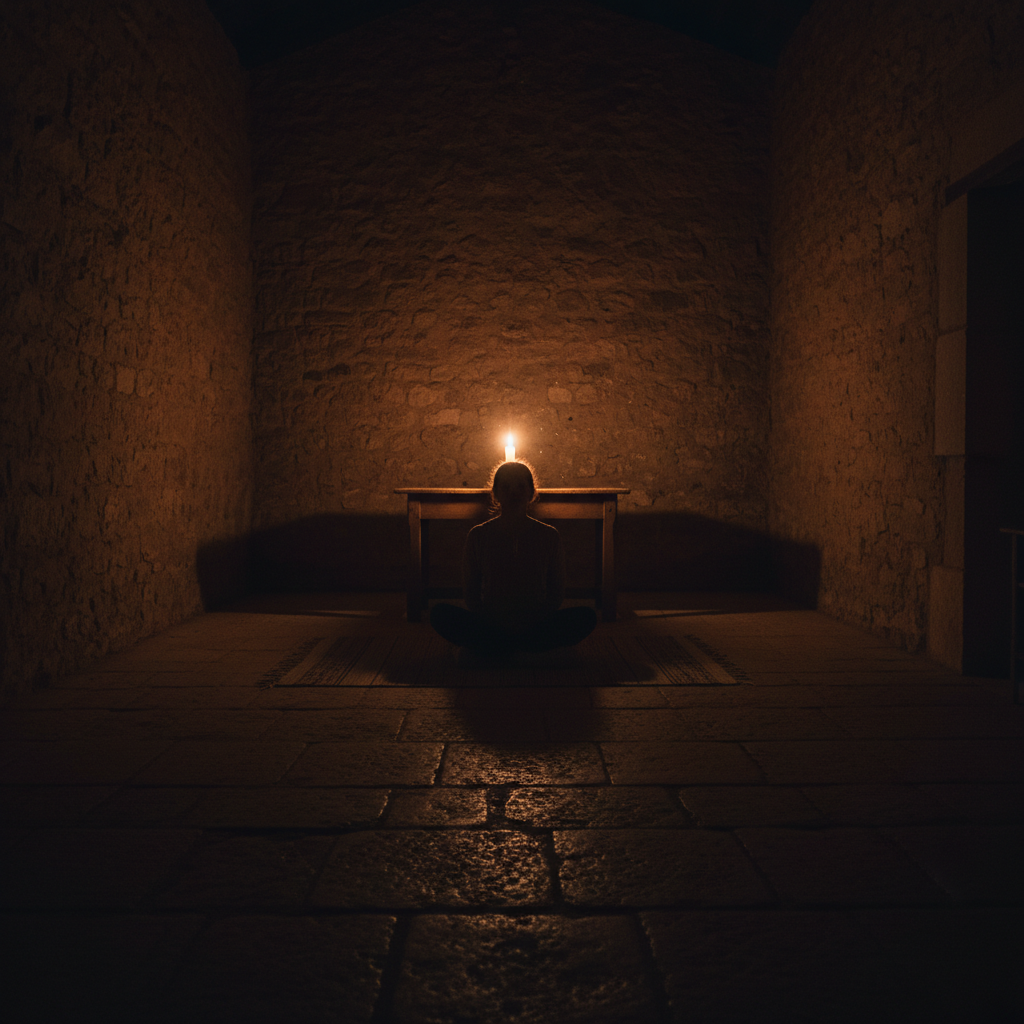
When you finally step away from the desk to embrace a period of forced rest, the anticipated sense of relief often fails to materialize. Instead, you might be met with a spike in heart rate, racing thoughts, or a vague sense of dread. This reaction is driven by neuroception, a process where your neural circuits evaluate environment risks without your conscious awareness. For the stress addiction nervous system high performers operate within, the internal radar is recalibrated to equate safety with constant vigilance. Silence is no longer perceived as peace; it is interpreted as a dangerous lack of awareness. To a brain conditioned for high stakes, being off guard is biologically synonymous with being vulnerable.
This physiological misinterpretation leads directly to what clinicians call Relaxation Induced Anxiety. When you intentionally lower your external stressors, your adrenaline levels begin to drop. However, because your system has functioned in a threat state for so long, this drop feels like removing a suit of armor in the middle of a combat zone. The system feels unprotected. The amygdala, which is responsible for threat detection, remains locked in a high-arousal scanning mode, searching for the crisis it assumes you have simply missed.
While the prefrontal cortex, the seat of your executive function, logically understands that you are safe, it lacks the biological authority to override the amygdala once the stress cycle is this entrenched. The prefrontal cortex is responsible for initiating recovery mode, but in a state of chronic activation, it becomes overloaded and loses its ability to signal an all clear to the rest of the body. Reclaiming your ability to rest requires more than a change of scenery; it necessitates active nervous system regulation for entrepreneurs to prove to the amygdala that the environment is truly safe.
Signs You Have Developed a Neurochemical Dependence on Stress
Identifying the stress addiction nervous system high performers develop requires looking past executive performance and into physiological consequences. When the body reaches its limit of allostatic load, the wear and tear resulting from chronic overactivation, it no longer recognizes a state of rest as functional. You may recognize this through specific, disruptive patterns:
Leisure Sickness: Developing headaches, fatigue, or minor illnesses the moment you stop for a weekend or holiday, as the sudden drop in cortisol leaves the immune system vulnerable.
Caffeine Dependency: Requiring stimulants not for a peak performance boost, but simply to achieve a mental baseline where you feel capable of starting the day.
Low Tolerance for Stillness: Experiencing sudden irritability, restless leg syndrome, or the urge to check notifications when environments become quiet or slow.
Manufacturing Urgency: Subconsciously over-complicating simple tasks or creating artificial crises to re-engage the adrenaline that makes you feel in the zone.
These indicators suggest that your baseline for nervous system regulation for entrepreneurs has shifted. Your system is no longer responding to your current environment; it is responding to the accumulated biological cost of sustained high arousal.
Why Traditional Self Care Fails the High Achiever
Mainstream wellness advice often suggests low-arousal activities like bubble baths, gentle yoga, or generic meditation apps as the antidote to professional pressure. However, for a founder or high-achiever already deep in a neurochemical threat state, these soft interventions are not just ineffective; they are often counterproductive. When your internal baseline is calibrated to high-velocity output, the sudden removal of all stimuli via passive rest can feel like psychological torture. The brain, which has been using high-alert status as its primary defense mechanism, interprets the instruction to sit still as a command to lower its guard while the perceived enemy is still at the gates.
This misalignment is why common self-care fails the stress addiction nervous system high performers often rely on. A nervous system stuck in a sympathetic fight or flight loop cannot be coaxed into safety by a scented candle. It requires a somatic signal that matches its intensity before it can transition into recovery. Basic mindfulness requires a level of prefrontal cortex control that is simply unavailable when the amygdala is hyper-responsive. Instead of achieving calm, the high-performer experiences a surge of cortisol as the mind frantically seeks a new source of engagement to replace the missing adrenaline. A truly effective solution requires nervous system regulation for entrepreneurs that respects this high-arousal biology, moving beyond surface-level relaxation into targeted, evidence-based recalibration.
Breaking the Loop: The Mallorca Survival Reset Approach

To interrupt the cycle of stress addiction nervous system high performers rely on, one must meet the body at its current intensity level rather than trying to force it into immediate stillness. This is the foundation of the Survival Reset in Mallorca. Instead of asking a hyper-aroused brain to sit still, we introduce high-intensity, controlled stressors that speak the language of a high-functioning system. Activities such as ice baths, coastal exploration, and developing survival skills in the Tramuntana mountains provide the higher intensity entry point required to bridge the gap between chronic stress and true recovery.
These activities function as biological triggers for nervous system regulation for entrepreneurs. By placing the body in a state of acute physical stress, we allow the sympathetic nervous system to reach a natural peak. Once the cold water exposure ends or the descent from Mallorca’s limestone cliffs is complete, the body receives an undeniable physiological signal of safety. This process allows the system to finally complete the stress cycle; it is a critical step that traditional relaxation methods often skip.
The rugged landscape of the Balearics serves as a necessary backdrop for this somatic release. The sheer physical presence required to navigate steep sea cliffs or dense Mediterranean forests replaces artificial business urgency with a primal, grounded focus. This transition is not about escaping reality; it is about providing the brain with the extreme sensory input it needs to prove the threat has been managed, allowing the prefrontal cortex to finally re-engage its capacity for calm.
Shifting from Survival to Authentic Capacity
The transition from the Survival Reset to the Transformational Reset marks the move from metabolizing stress to building resilience. Once the immediate physical stressors have signaled safety to the brain, the focus shifts to nervous system regulation for entrepreneurs through breathwork and somatic clarity. These practices are not passive; they are active recalibrations of the stress addiction nervous system high performers develop over years of high-stakes output.
By lowering the background noise of the threat state, you create the cognitive space necessary for inner growth. This is where you move from reactive survival to proactive leadership. Engaging in this process alongside a community of creative minds and entrepreneurs provides a vital mirror. It reframes the act of slowing down from a perceived loss of control into a deliberate expansion of your capacity. Within this supportive environment, you learn that a regulated system is actually a more powerful one. Authentic capacity is found not in the ability to endure more pressure, but in the ability to return to a state of calm and clarity with precision. This shift ensures that when you return to your professional environment, you are no longer operating from a place of depletion, but from a grounded foundation of mental and physical agility.
Recognizing that your drive has become a source of exhaustion is the first step toward reclaiming your well-being. While understanding the cycle of stress is vital, breaking free from deep-seated habits often requires a change of scenery and intentional guidance. If you feel ready to transition from constant survival mode into a state of sustainable high performance, we invite you to learn more about our approach at Reset Retreat Mallorca. Our team specializes in helping high achievers find balance; we provide the space and expertise needed to make calm feel safe again.